Prehnite
Setting down the thing you forgot you were holding.
What the tradition reads it as
The first mineral in history named after a person, which gives it a documented eighteenth-century pedigree instead of a folk one. Practitioners use it for release rather than acquisition — the only stone in this catalogue whose assigned job is subtraction.
When people wear it
Reached for at the end of a stretch where you have been carrying something for so long you stopped noticing the weight.
What you are actually holding
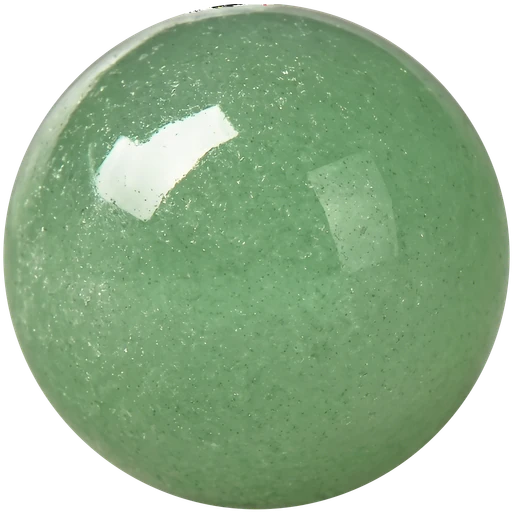
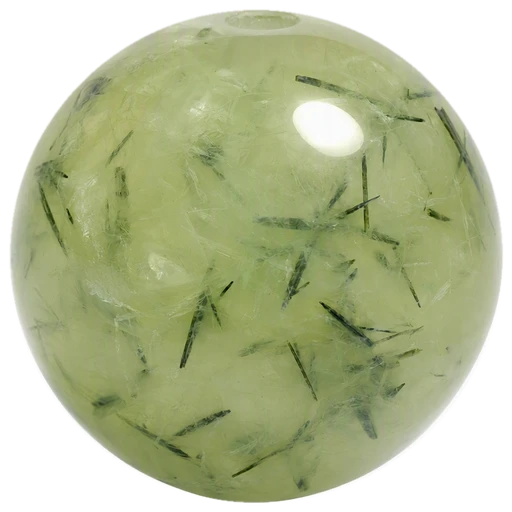
Calcium aluminium silicate, translucent pale lime with a faint interior glow — closer to frosted glass than to gemstone sparkle. Better beads show a soft internal fibrous structure when you turn them to a window.
How to look after it
6 Mohs with a brittle tendency; it will not survive being dropped on tile. Keep it away from ultrasonic cleaners and household acids, and store it separately from quartz.
Prehnite was the first mineral ever named after a person — Colonel Hendrik von Prehn, who brought it out of the Cape in 1788 — which gives it a documented pedigree rather than a folk one. Crystal tradition assigns it the unburdening role: releasing rather than acquiring. Beads are translucent with a faint interior glow, closer to frosted glass than to gemstone sparkle.
In a reading
The subtraction stone: traditionally for putting something down.
Crystal meanings are described as cultural tradition, not fact. Stones and readings are offered for reflection, not as medical, financial, or legal advice.