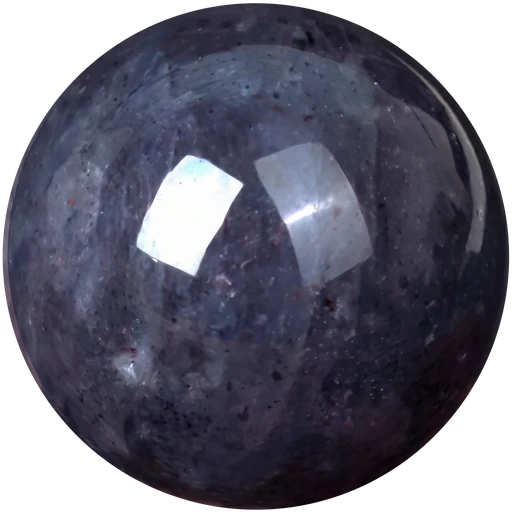
Iolite
Holding a bearing when the landmarks are gone.
What the tradition reads it as
Norse sailors are said to have used thin slices of iolite as a polarising filter to locate the sun through overcast — which is how it earned the name water sapphire. The tradition is navigational: keeping a course you cannot currently see confirmed.
When people wear it
Worn through the part of a decision where there is no new information coming and you have to keep going anyway.
What you are actually holding
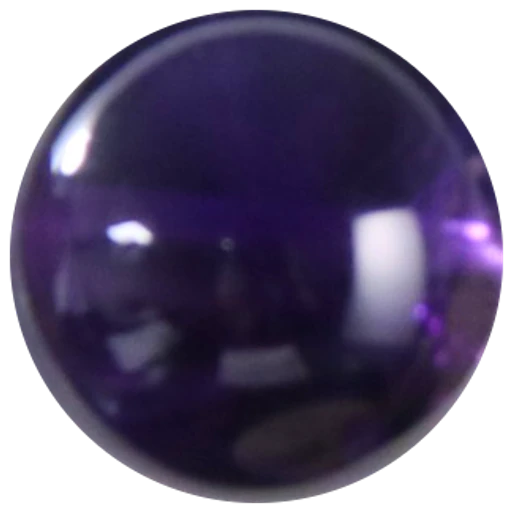
Strongly pleochroic: it reads violet-blue down one axis and nearly colourless down another, so a single bead changes as you turn it. That is the stone working exactly as the sailors used it.
How to look after it
7 Mohs but it parts along one direction, so it dislikes hard knocks more than its hardness suggests. No ultrasonic; warm water and a soft cloth.
Norse sailors are said to have used thin slices of iolite as a polarising filter to find the sun through overcast — the reason it still carries the name water sapphire. In crystal tradition it is the stone of holding a bearing when the landmarks are gone. It shifts from violet to near-colourless as you turn it, which is the whole point.
In a reading
The navigator's stone: holding a bearing without visible landmarks.
Crystal meanings are described as cultural tradition, not fact. Stones and readings are offered for reflection, not as medical, financial, or legal advice.