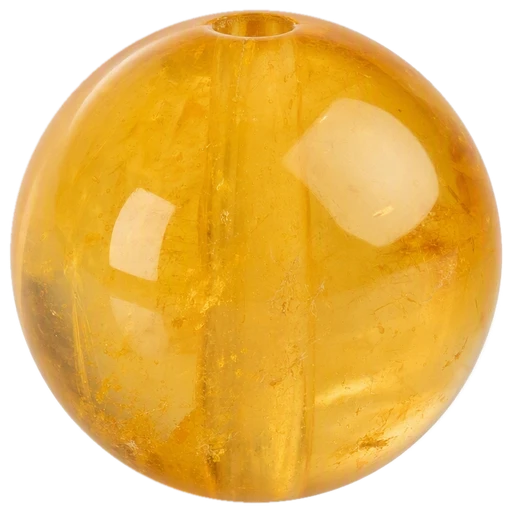
Citrine
Nerve at the moment of asking.
What the tradition reads it as
Traders kept citrine in the till and the cash drawer, and the habit outlived the reason for it. The tradition that survived is narrow and specific: not luck arriving, but the nerve to name your number out loud.
When people wear it
Worn on the day you send the invoice, quote the rate, or ask for the raise — the small, unglamorous acts that money actually turns on.
What you are actually holding
Almost all commercial citrine is amethyst that has been heated until the iron inside it shifts from violet to gold. Nothing is added and nothing is coated; it is quartz before and after, and it will not fade on your wrist. Ours is disclosed as heat-treated because you should know what you are holding.
How to look after it
Hard enough for daily wear at 7 Mohs. Prolonged strong sunlight can pale the colour over years, so it prefers a drawer to a windowsill when you take it off.
Merchants along old trade roads kept citrine where the money changed hands, and the habit stuck long enough to earn the nickname "the merchant's stone." In crystal tradition it is read as warmth you can act on — the nudge to send the invoice, name the number, ask again. Most citrine on the market is heat-treated amethyst; ours is disclosed as such, because you should know what you are buying.
In a reading
Long carried by merchants for nerve at the moment of asking.
Crystal meanings are described as cultural tradition, not fact. Stones and readings are offered for reflection, not as medical, financial, or legal advice.