Citrine, heat-treated: what you’re actually buying
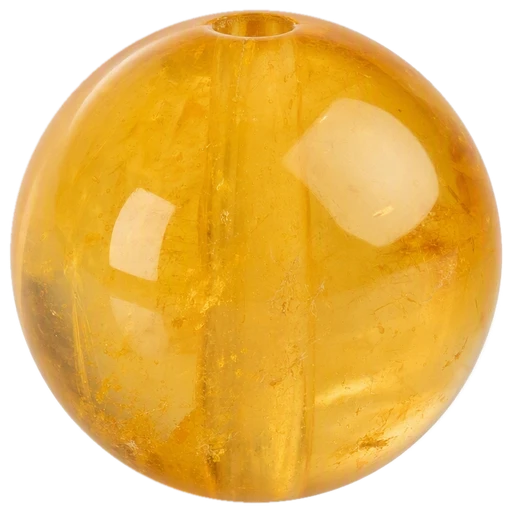
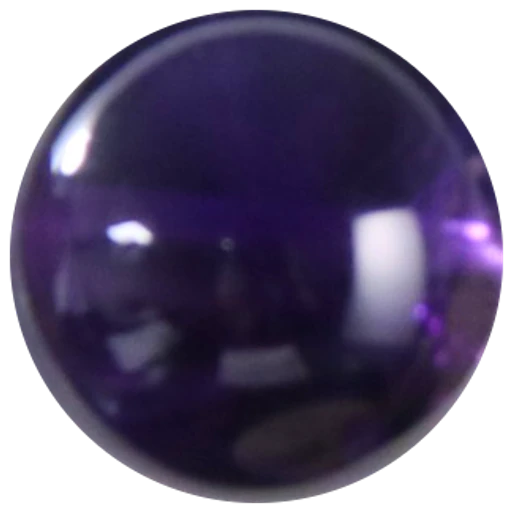
Natural citrine exists, and it is uncommon enough that a wall of $8 golden beads is not where you will find it. The warm amber material in most shops — ours included — is amethyst that has been heated until the iron inside it shifts colour. This is a decades-old, industry-standard practice. It is also, very often, simply not mentioned.
What heat actually does
Amethyst and citrine are the same mineral: quartz with iron impurities. Colour depends on how that iron sits in the crystal lattice. Heat somewhere above 400°C rearranges it, and violet turns to gold. Nothing is added and nothing is coated; the stone is as hard, as durable, and as much quartz as it was before. A heat-treated bead will not fade on your wrist.
Why we print it anyway
Because "citrine" without a note implies you are buying the rare thing at the common price, and you are not. Our listings read Brazil (heat-treated amethyst, disclosed) for exactly that reason. If a shop cannot tell you the treatment, that usually means nobody along the chain asked.
About the meaning
Citrine’s reputation as a merchant’s stone comes from centuries of people keeping it where money changed hands. That is cultural tradition, not a claim about outcomes, and heating does not touch it either way. You are buying quartz with a good story and a documented history. Both halves of that sentence matter.