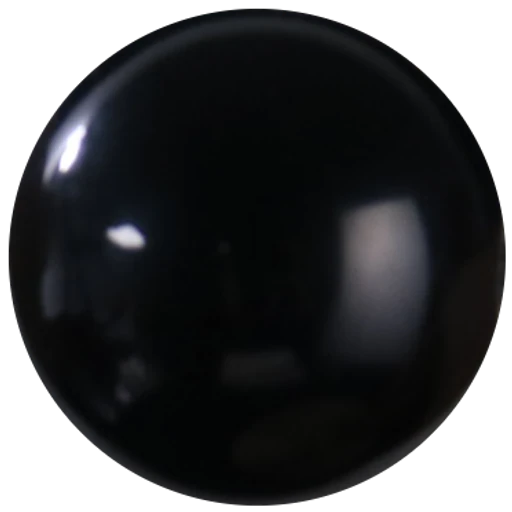
Obsidian
Where you end and the rest of the day begins.
What the tradition reads it as
Knapped obsidian blades predate writing, and they are sharper than surgical steel. The tradition made it the boundary stone — the oldest edge humans ever made, read as the edge of a person.
When people wear it
Worn when work has been leaking into evenings and the line needs putting back.
What you are actually holding
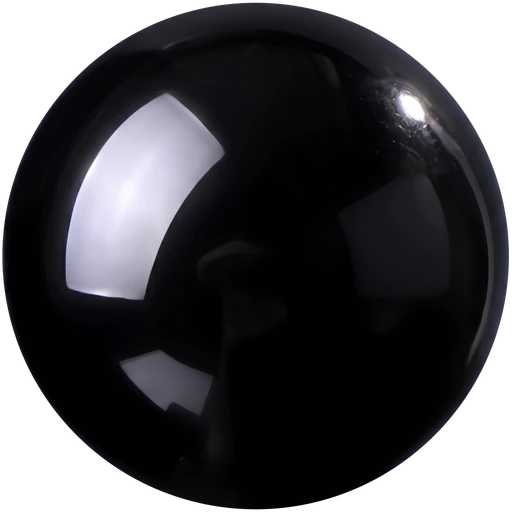
Lava that cooled too fast to organise into crystals, which makes it a glass rather than a mineral — it has no cleavage and no grain, and it breaks in curved conchoidal shells. Polished beads reflect like a black mirror.
How to look after it
5.5 Mohs and it is glass: it scratches easily and can chip to a genuinely sharp edge. Store it alone, and retire a bead if it chips rather than wearing it.
Obsidian is lava that cooled too fast to become a crystal, which makes it glass rather than mineral. Knapped obsidian blades are sharper than surgical steel, and people were making them long before they were writing anything down. In crystal tradition it is the boundary stone: worn to mark where you end and the rest of the day begins.
In a reading
The boundary stone: where you end and the day begins.
Crystal meanings are described as cultural tradition, not fact. Stones and readings are offered for reflection, not as medical, financial, or legal advice.